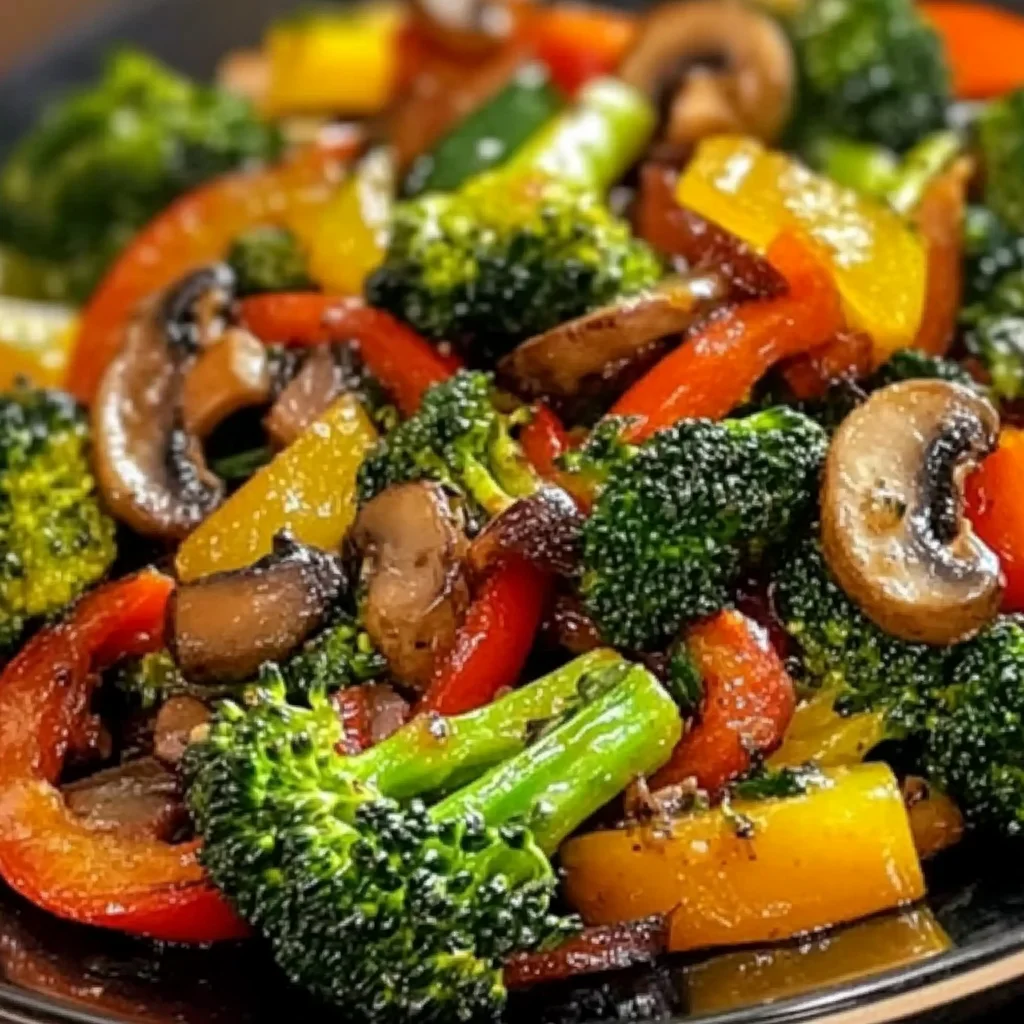
Healthy Sautéed Vegetables are a delicious way to pack your meal with nutrients. This vibrant dish is versatile and can complement any main course or stand alone as a light meal. Whether you’re preparing a quick weeknight dinner or hosting a gathering, these sautéed vegetables are sure to impress with their fresh flavors and colorful presentation.
Jump to:
- Why You’ll Love This Recipe
- Tools and Preparation
- Essential Tools and Equipment
- Importance of Each Tool
- Ingredients
- For the Sautéed Vegetables
- How to Make Healthy Sautéed Vegetables
- Step 1: Heat the Oil
- Step 2: Sauté Aromatics
- Step 3: Add Vegetables
- Step 4: Cook Until Tender
- Step 5: Serve and Enjoy
- How to Serve Healthy Sautéed Vegetables
- As a Side Dish
- In a Wrap
- Over Pasta
- On a Salad
- With an Egg Dish
- How to Perfect Healthy Sautéed Vegetables
- Best Side Dishes for Healthy Sautéed Vegetables
- Common Mistakes to Avoid
- Storage & Reheating Instructions
- Refrigerator Storage
- Freezing Healthy Sautéed Vegetables
- Reheating Healthy Sautéed Vegetables
- Frequently Asked Questions
- Can I use frozen vegetables?
- What are the best vegetables for sautéing?
- How do I make my sautéed vegetables more flavorful?
- Are Healthy Sautéed Vegetables suitable for meal prep?
- Can I add protein to my sautéed vegetables?
- Final Thoughts
- 📖 Recipe Card
Why You’ll Love This Recipe
- Quick Preparation: With only 10 minutes of prep time, you can whip up this dish in no time.
- Flavorful and Fresh: Each ingredient adds its own unique flavor, creating a delightful medley that excites your taste buds.
- Nutritious Option: Packed with vitamins and minerals, these vegetables contribute to a healthy diet without sacrificing taste.
- Versatile Pairing: These sautéed vegetables go well with various proteins or can be enjoyed on their own.
- Customizable: Feel free to swap in your favorite seasonal veggies or adjust the sauces for personal preference.
Tools and Preparation
To make your cooking experience smooth and enjoyable, having the right tools is essential.
Essential Tools and Equipment
- Skillet or frying pan
- Wooden spoon or spatula
- Knife
- Cutting board
Importance of Each Tool
- Skillet or frying pan: Essential for even cooking, allowing the vegetables to sauté properly without steaming.
- Wooden spoon or spatula: Perfect for stirring without scratching your cookware, ensuring an even mix of flavors.
- Knife: A sharp knife makes chopping vegetables quick and safe, helping you prepare ingredients efficiently.
Ingredients
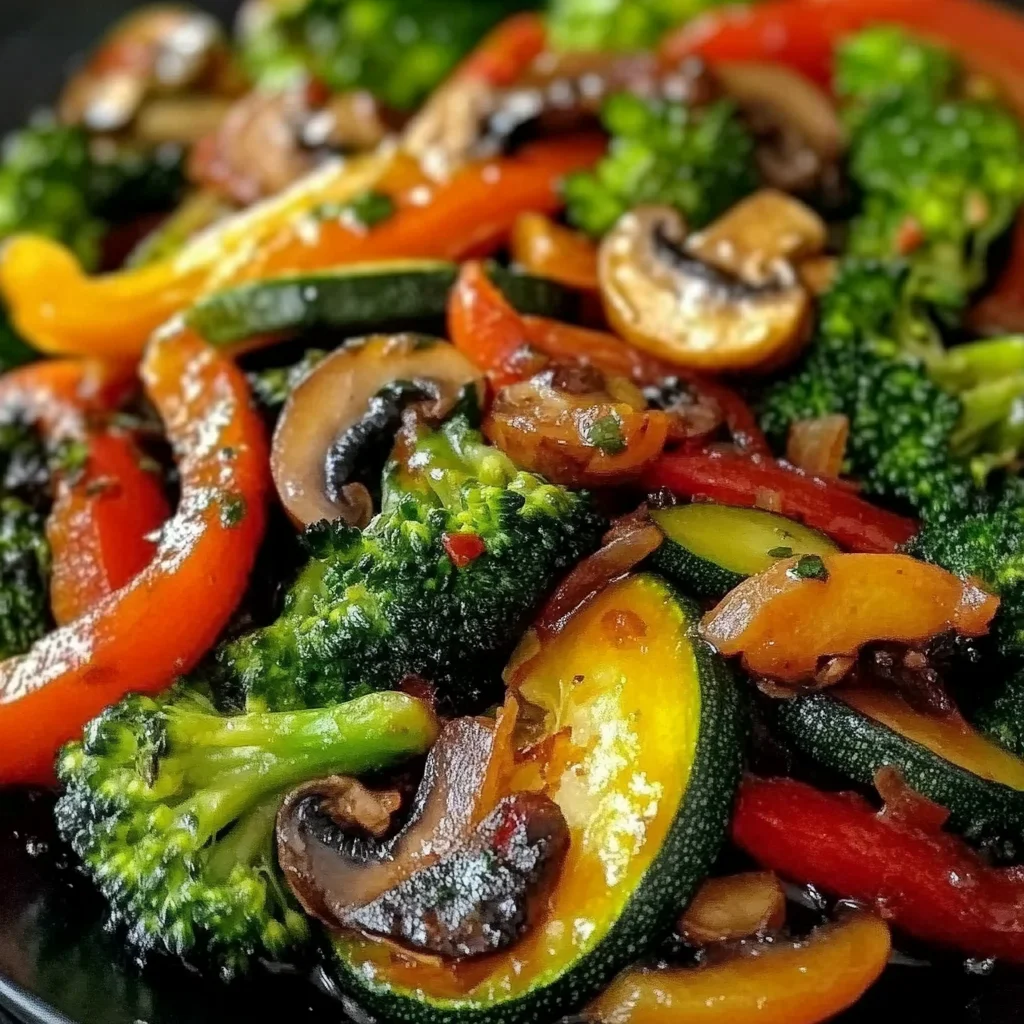
Quick and flavorful sautéed vegetables, packed with nutrients and versatile for any meal.
For the Sautéed Vegetables
- 2 tbsp olive oil (or avocado oil/butter)
- 2 cloves garlic, minced
- 1 small onion, thinly sliced
- 1 medium bell pepper, sliced
- 1 medium zucchini, sliced into half-moons
- 1 cup broccoli florets
- 1 medium carrot, julienned or sliced thin
- ½ cup snap peas
- ½ cup mushrooms, sliced
- Salt and black pepper, to taste
- 1 tsp lemon juice (optional)
- 1 tsp balsamic vinegar or soy sauce (optional)
- Optional toppings: toasted nuts, seeds, fresh herbs, grated Parmesan
How to Make Healthy Sautéed Vegetables
Step 1: Heat the Oil
Begin by heating the olive oil in a large skillet over medium heat.
Step 2: Sauté Aromatics
Once the oil is hot:
* Add the minced garlic and sliced onions.
* Stir frequently for about 2–3 minutes until fragrant and translucent.
Step 3: Add Vegetables
Introduce your sliced bell pepper, zucchini, broccoli florets, carrot, snap peas, and mushrooms:
* Stir well to combine all ingredients.
* Season with salt and black pepper to taste.
Step 4: Cook Until Tender
Continue cooking for about 8–10 minutes:
* Stir occasionally until the vegetables are tender but still crisp.
* If desired, add lemon juice and balsamic vinegar or soy sauce for added flavor during the last minute of cooking.
Step 5: Serve and Enjoy
Remove from heat:
* Transfer to a serving dish.
* Top with optional toppings such as toasted nuts, seeds, fresh herbs, or grated Parmesan before serving.
How to Serve Healthy Sautéed Vegetables
Healthy sautéed vegetables are perfect for enhancing any meal. Their vibrant colors and fresh flavors can elevate your dining experience. Here are some creative serving ideas to enjoy this nutritious dish.
As a Side Dish
- Serve alongside grilled chicken or turkey for a wholesome meal.
- Pair with quinoa or brown rice to add texture and fiber.
In a Wrap
- Fill a whole-grain wrap with healthy sautéed vegetables and your choice of protein for a quick lunch.
- Add hummus or avocado for extra creaminess.
Over Pasta
- Toss the sautéed vegetables with whole grain or gluten-free pasta for a satisfying dinner.
- Drizzle with olive oil and lemon juice for added flavor.
On a Salad
- Use as a warm topping for leafy green salads to create a delightful contrast in temperatures.
- Sprinkle with nuts or seeds for crunch.
With an Egg Dish
- Serve atop scrambled eggs or an omelet for a nutritious breakfast option.
- Garnish with fresh herbs to brighten the dish.
How to Perfect Healthy Sautéed Vegetables
To achieve the best results when preparing healthy sautéed vegetables, follow these simple tips.
- Choose Fresh Ingredients: Select vibrant, seasonal vegetables to ensure maximum flavor and nutrition.
- Preheat Your Pan: Always heat your pan before adding oil. This helps in achieving that perfect sauté without steaming the veggies.
- Don’t Overcrowd the Pan: Sauté in batches if necessary, allowing each vegetable enough space to cook evenly and develop caramelization.
- Use High Heat: Cooking on high heat will give you crisp-tender vegetables without losing their nutrients.
- Season Wisely: Add salt at the end of cooking to retain moisture and prevent the vegetables from becoming too soggy.
- Experiment with Flavors: Feel free to try different spices or herbs to customize the taste to your liking.
Best Side Dishes for Healthy Sautéed Vegetables
Pairing healthy sautéed vegetables with complementary side dishes can enhance your meal’s overall appeal. Here are some excellent options:
- Quinoa Salad: A refreshing salad made with cooked quinoa, diced cucumbers, tomatoes, and a light vinaigrette.
- Brown Rice Pilaf: Fluffy brown rice cooked with onions, garlic, and herbs makes a hearty side that pairs well with sautéed veggies.
- Roasted Sweet Potatoes: Sweet potatoes roasted until tender provide a sweet contrast to savory vegetables.
- Chickpea Stew: A protein-packed stew made from chickpeas, tomatoes, and spices offers depth and warmth.
- Cauliflower Mash: Creamy mashed cauliflower is a low-carb alternative that complements the texture of sautéed veggies beautifully.
- Couscous with Herbs: Lightly seasoned couscous is quick to prepare and adds a delightful fluffiness to your plate.
Common Mistakes to Avoid
Avoiding common mistakes will enhance your experience making Healthy Sautéed Vegetables. Here are some pitfalls to watch out for:
- Boldly crowding the pan: When you add too many vegetables at once, they can steam instead of sauté. Sauté in batches if necessary to ensure even cooking.
- Boldly ignoring prep time: Failing to prep your ingredients ahead of time can lead to overcooked veggies. Chop everything before starting the cooking process for best results.
- Boldly under-seasoning: Not using enough salt and pepper can result in bland flavors. Taste as you go and adjust seasoning accordingly.
- Boldly using low-quality oil: Choosing a poor-quality oil can affect the taste of your dish. Opt for fresh, high-quality olive or avocado oil for better flavor.
- Boldly skipping freshness checks: Using wilted or old vegetables will impact both taste and nutrition. Always select fresh produce for vibrant and flavorful results.
Storage & Reheating Instructions
Refrigerator Storage
- Store in an airtight container.
- Healthy Sautéed Vegetables can be kept in the refrigerator for up to 3 days.
Freezing Healthy Sautéed Vegetables
- Use freezer-safe bags or containers.
- They freeze well for up to 2 months; just be sure to cool them completely before freezing.
Reheating Healthy Sautéed Vegetables
- Oven: Preheat to 350°F (175°C) and bake in a covered dish until warmed through, about 10-15 minutes.
- Microwave: Heat on medium power in short intervals, stirring occasionally, until hot throughout.
- Stovetop: Place in a skillet over medium heat with a splash of water or broth, stirring until heated.
Frequently Asked Questions
Here are some common questions about preparing Healthy Sautéed Vegetables.
Can I use frozen vegetables?
Yes, you can use frozen vegetables! Just remember they may require slightly longer cooking times and could release more moisture.
What are the best vegetables for sautéing?
Great options include bell peppers, zucchini, broccoli, carrots, and snap peas. Feel free to mix and match based on your preferences!
How do I make my sautéed vegetables more flavorful?
You can enhance flavor by adding herbs like thyme or basil, or by incorporating spices such as paprika or cumin during cooking.
Are Healthy Sautéed Vegetables suitable for meal prep?
Absolutely! They make an excellent addition to meal prep as they store well and can complement various dishes throughout the week.
Can I add protein to my sautéed vegetables?
Yes! You can easily add cooked chicken, beef, turkey, or tofu for added protein and variety.
Final Thoughts
Healthy Sautéed Vegetables are not just nutritious but also incredibly versatile. You can customize them according to your taste preferences by adding different vegetables or seasonings. Enjoy experimenting with this quick side dish that pairs well with countless meals!
Did You Enjoy Making This Recipe? Please rate this recipe with ⭐⭐⭐⭐⭐ or leave a comment.
📖 Recipe Card
Print
Healthy Sautéed Vegetables
- Total Time: 20 minutes
- Yield: Serves approximately 4 people 1x
Description
Healthy Sautéed Vegetables are a vibrant and nutritious addition to any meal, ideal for quick weeknight dinners or impressive gatherings. This dish bursts with fresh flavors and colors, making it not only visually appealing but also incredibly versatile. Packed with essential vitamins and minerals, these sautéed vegetables can be enjoyed on their own or paired beautifully with proteins such as chicken or turkey. Customize the vegetable combination to suit your taste or seasonal availability, ensuring a delightful medley in every bite.
Ingredients
- 2 tbsp olive oil (or avocado oil/butter)
- 2 cloves garlic, minced
- 1 small onion, thinly sliced
- 1 medium bell pepper, sliced
- 1 medium zucchini, sliced into half-moons
- 1 cup broccoli florets
- 1 medium carrot, julienned or sliced thin
- ½ cup snap peas
- ½ cup mushrooms, sliced
- Salt and black pepper, to taste
- Optional: lemon juice and balsamic vinegar or soy sauce
Instructions
- Heat olive oil in a large skillet over medium heat.
- Add minced garlic and sliced onions; sauté for 2–3 minutes until fragrant.
- Incorporate bell pepper, zucchini, broccoli, carrot, snap peas, and mushrooms; mix well.
- Season with salt and black pepper; cook for about 8–10 minutes until tender but crisp.
- Add optional lemon juice and balsamic vinegar or soy sauce during the last minute of cooking.
- Serve warm with optional toppings like toasted nuts or seeds.
- Prep Time: 10 minutes
- Cook Time: 10 minutes
- Category: Side Dish
- Method: Sautéing
- Cuisine: American
Nutrition
- Serving Size: 1 serving
- Calories: 110
- Sugar: 4g
- Sodium: 120mg
- Fat: 7g
- Saturated Fat: 1g
- Unsaturated Fat: 6g
- Trans Fat: 0g
- Carbohydrates: 9g
- Fiber: 3g
- Protein: 3g
- Cholesterol: 0mg